What a nonprofit website needs, and a brief to build yours.
Donors and volunteers give to causes they understand and organizations they trust. Your site should say what you do in one sentence and make helping take one click.
What a nonprofit or community center website needs
Specific to this kind of business, in the order customers look for it.
Your mission in one sentence
Who you help, where, and how. Put it above everything else; it’s the line people repeat to others.
A donate button on every page
One-time and monthly, with suggested amounts tied to what they pay for, only when the numbers are real.
Volunteer sign-up
Roles, time commitment and a form. For work with children or vulnerable people, explain your screening.
Events and programs
A calendar with dates, places and registration for classes, drives and meetings. Community centers live on this page.
Impact you can show
Numbers from your own records, stories with permission, and an annual report.
Transparency
Your registered status and number (EIN in the US, charity number in the UK), board members and where the money goes.
A newsletter
Supporters who hear from you monthly give again. A simple sign-up with double opt-in is enough to start.
Where your customers already look
Your site is the one place you fully own. These are the places that send people to it, and how to connect them.
Google for Nonprofits
Eligible nonprofits can get Google Ad Grants: up to $10,000 a month in search ads, which need a good website to point to.
Candid (GuideStar)
Donors check your profile there; link it to your site and keep your mission identical.
Google Business Profile
If you have a place people visit, list it with hours and events.
Facebook and Instagram
Where volunteers share events. Link to the sign-up and donate pages.
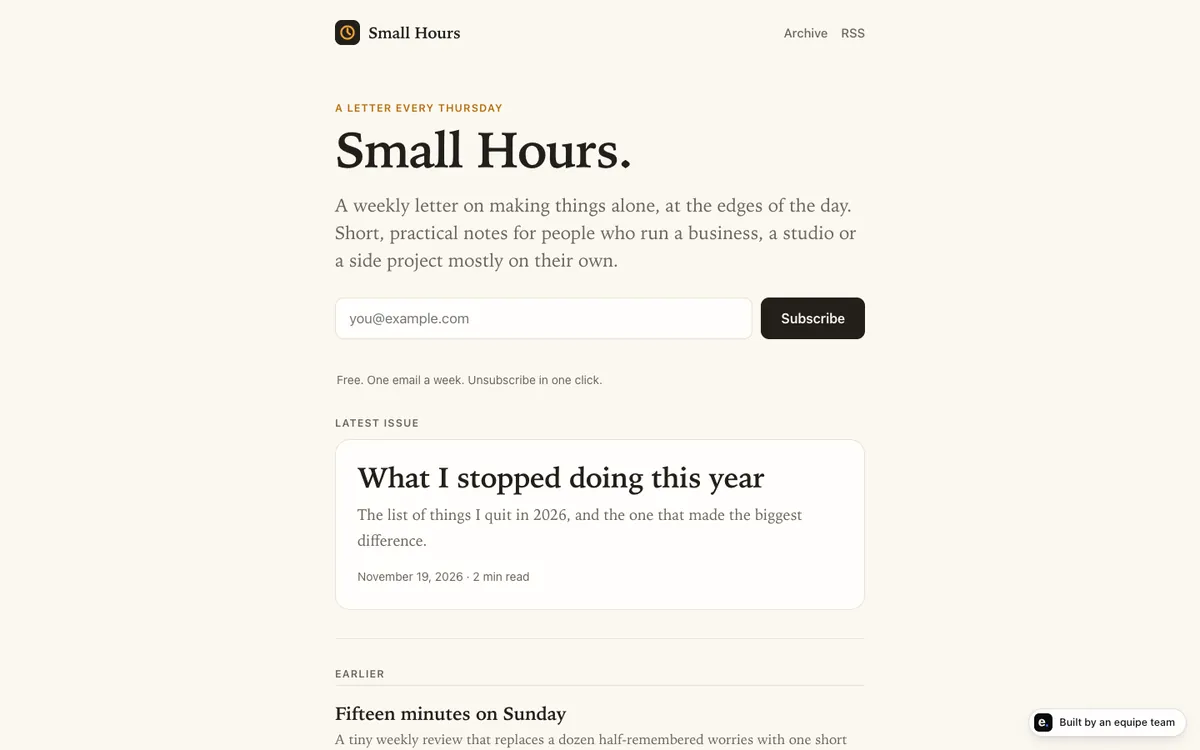
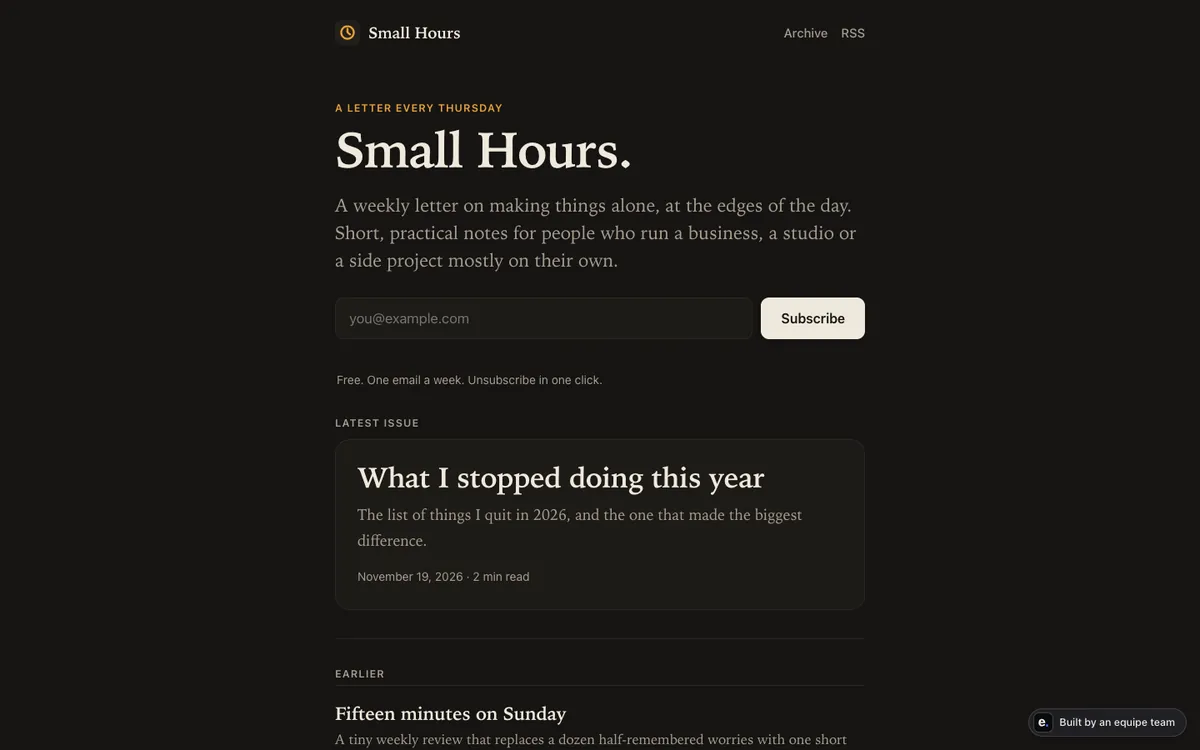
Start from a ready-made brief
Fill in the parts in [brackets], change anything else, and your AI team builds the first version from it. No coding needed.
Tell Google exactly what you are
Structured data is a short, invisible block that tells search engines your business type, address, hours and links. It is what feeds the details next to your name in search and maps.
Use NGO with nonprofitStatus (for example Nonprofit501c3 in the US), address, areaServed, and sameAs links to your Candid and social profiles. Give each public event an Event block.
{
  "@context": "https://schema.org",
  "@type": "NGO",
  "name": "Your business name",
  "url": "https://…",
  "telephone": "+1 555 0100",
  "address": {
    "@type": "PostalAddress",
    "streetAddress": "123 Main Street",
    "addressLocality": "Your city"
  },
  "openingHoursSpecification": [
    {
      "@type": "OpeningHoursSpecification",
      "dayOfWeek": [
        "Monday",
        "Tuesday",
        "Wednesday",
        "Thursday",
        "Friday"
      ],
      "opens": "09:00",
      "closes": "18:00"
    }
  ],
  "nonprofitStatus": "Nonprofit501c3",
  "areaServed": "…",
  "sameAs": [
    "https://www.instagram.com/…"
  ]
}
Every site equipe puts live gets structured data, a sitemap and llms.txt from day one. Keep the details identical to your Google Business Profile.
Questions owners ask
Can a nonprofit get a website for free?
You can start equipe free with 500 credits, no card needed. Separately, Google Ad Grants gives eligible nonprofits up to $10,000 a month in search ads, which point to your site.
How do we take donations?
Use a payment provider you trust (Stripe, PayPal or a donation platform) and link a donate button to it from every page. Your team can connect it.
What makes donors trust a nonprofit site?
A clear mission, your registered status and number, named people, real impact numbers and an annual report.
We’re a community center. What matters most?
An up-to-date events calendar with registration, opening hours, room hire and how to get there. That’s what people come back for.